
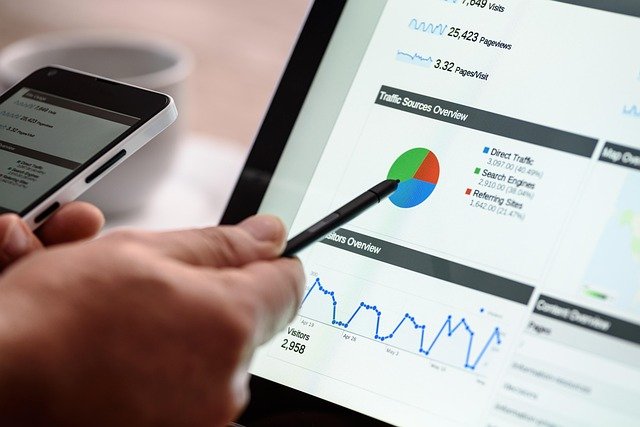
In today’s digital-first world, mobile marketing is no longer optional—it’s essential. Mobile devices have become an extension of ourselves. From shopping to socializing, navigation to news updates, the smartphone is the gateway to almost every aspect of modern life. If you are a business, a brand, or even a content creator, understanding and mastering mobile marketing is crucial for reaching your audience where they spend most of their time.
This guide explores mobile marketing from the ground up—its importance, strategies, tools, trends, and how to build a successful mobile marketing campaign in 2025 and beyond.
1. Introduction to Mobile Marketing
Mobile marketing is a digital strategy focused on connecting with audiences through their smartphones, tablets, and other mobile devices. Employing channels like mobile ads, SMS, apps, mobile-friendly websites, push notifications, and location-based services, its core objective is to engage customers on their preferred devices, fostering loyalty and driving sales by delivering relevant value.
2. Why Mobile Marketing Matters.
Mobile Traffic Dominance: Over 60% of all web traffic originates from mobile devices, highlighting a “mobile-first” reality.
Preference for Mobile Optimization: 80% of smartphone users prefer and are more likely to purchase from businesses offering mobile-optimized experiences.
Mobile Drives Immediate Action: 70% of mobile searches result in an action within one hour, demonstrating its immediacy.
Significant Mobile Ad Investment: The massive and growing global investment in mobile advertising, exceeding $400 billion in 2024, emphasizes the importance of engaging consumers on their mobile devices.
3.Key Elements of Mobile Marketing
To effectively engage mobile audiences, understanding these core components is essential:
- Mobile-Optimized Website: The bedrock of your mobile presence. Ensure a responsive and fast-loading site for a seamless user experience on any device.
- Mobile Apps: Direct channels to offer services, exclusive content, and build loyalty through dedicated applications.
- SMS and MMS Marketing: Leverage the power of text messaging with its remarkable 98% open rate for promotions, alerts, and timely reminders.
- Push Notifications: Directly engage app users with timely updates, special offers, and helpful reminders delivered straight to their devices.
- Mobile Advertising: Reach your target audience through various ad formats optimized for mobile, including display, in-app, video, and social media ads.
- Location-Based Marketing: Connect with customers in real-time by delivering relevant marketing messages based on their geographic location using GPS technology.
4.Exploring Mobile Marketing Strategies
Mobile marketing offers a range of powerful tactics. Here’s a closer look at key strategies:
- App-Based Marketing: Build direct customer relationships and deliver personalized experiences through dedicated mobile apps with features like push notifications.
- Mobile-First Content: Prioritize mobile users by designing all content—from blogs to videos—for optimal viewing and engagement on their devices.
- SMS and MMS Campaigns: Directly reach customers with targeted promotions, timely alerts, and valuable loyalty rewards via text messaging.
- Mobile Search Ads: Capture intent by appearing in mobile search results, often tailored for voice and local queries.
- QR Codes: Bridge the offline and online worlds with scannable QR codes that instantly link to product pages, coupons, or app downloads.
- Voice Search Optimization: Adapt to the growing trend of voice assistants by optimizing your mobile marketing for conversational search queries.
- Social Media Marketing: Leverage the predominantly mobile nature of platforms like Instagram and TikTok to connect with your audience where they spend their time.
5. Mobile Marketing Trends in 2025
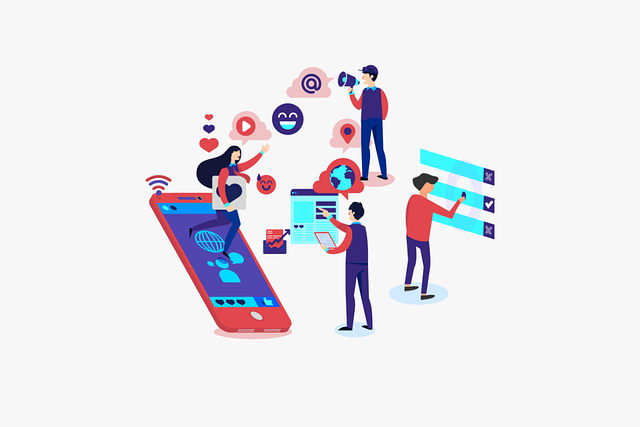
Staying ahead means knowing what’s coming next. Here are key trends shaping mobile marketing this year:
- AI-Powered Personalization: Brands are leveraging Artificial Intelligence to deliver tailored content, product recommendations, and advertisements based on individual user behavior.
- Augmented Reality (AR): AR experiences are being integrated into mobile shopping to create more interactive engagements, such as virtual try-on features for clothing.
- 5G Connectivity: The rollout of 5G offers faster internet speeds, facilitating richer mobile experiences like high-definition video, augmented reality applications, and real-time customer support.
- Privacy-First Marketing: With increasing data privacy regulations (like GDPR) and consumer awareness, prioritizing transparent and ethical data handling is becoming crucial for marketers.
- Mobile Commerce (M-Commerce): A growing number of consumers prefer to shop using mobile apps or browsers, making mobile-optimized payment systems (such as Apple Pay and Google Pay) increasingly essential.
6. How to Create a Mobile Marketing Campaign
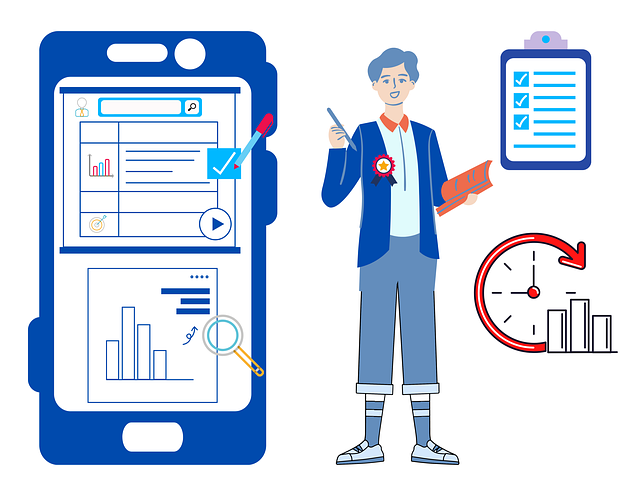
Let’s build a mobile marketing campaign step-by-step:
Step 1: Define Your Goals
- Increase app downloads?
- Drive website traffic?
- Boost online sales?
- Enhance brand awareness?
Step 2: Know Your Audience
Use mobile analytics, surveys, and social media insights to understand your target users’ behaviors.
Step 3: Choose the Right Channels
Decide whether to focus on SMS, social media, mobile search ads, or a mix.
Step 4: Design for Mobile First
All your visuals, texts, and landing pages should be optimized for mobile screens.
Step 5: Deliver Personalized Experiences Effectively segment your audience and then customize your messaging to align with their specific preferences and past behaviors.
Step 6: Test and Optimize
A/B test different headlines, images, CTA buttons, and message timings to find what works best.
Step 7: Measure Success
Track KPIs like click-through rates, conversion rates, app engagement, and customer lifetime value.
7.Mobile Marketing Tools You Should Know
Several tools can make your mobile marketing efforts more effective:
- Google Ads (for mobile search and display advertising)
- Facebook Ads Manager (for mobile-focused social media ads)
- Twilio (for SMS campaigns)
- App Annie (for app analytics)
- MobileMonkey (for mobile chatbots)
- Branch Metrics (for deep linking and mobile attribution)
8.Challenges in Mobile Marketing
Mobile marketing is powerful, but it’s not without obstacles:
- Ad Blocking: Increasing use of ad blockers hinders the reach of traditional mobile advertisements.
- Privacy Regulations: Compliance with laws like GDPR and CCPA necessitates careful management of customer data.
- Device Fragmentation: Ensuring a consistent user experience is challenging due to diverse screen sizes, operating systems, and browsers.
- Short Attention Spans: Mobile users’ rapid scrolling requires content that captures attention immediately.
9.Driving Mobile Marketing Success:
Key Best Practices:
- Simplify Communication: Deliver clear and concise messages that are easy to understand on mobile.
- Optimize for Speed: A fast-loading mobile experience (under 3 seconds) is crucial for user satisfaction.
- Guide with Strong CTAs: Make it immediately obvious what action mobile users should take.
- Target Local Audiences: Optimize your strategy for local searches, as many mobile users are looking for nearby options.
- Enhance Mobile Visibility: Invest in mobile SEO techniques like responsive design and voice search optimization.
- Offer Relevant Experiences: Personalize promotions based on user behavior to increase engagement.
- Engage with Video: Utilize short, compelling videos that resonate well with mobile users.
10.Future of Mobile Marketing

Looking ahead, several forces will reshape mobile marketing:
- AI and Machine Learning: Automated content generation, smarter targeting, and predictive marketing.
- Metaverse Integration: Mobile marketing will evolve to include experiences in virtual and augmented reality spaces.
- Hyperlocal Marketing: With improved geofencing, brands will target customers at specific locations like stores, events, and malls.
- Sustainability Focus: Eco-conscious consumers will reward brands that promote sustainable mobile practices.