
1. What Is a Social Media Marketing Strategy?

A social media marketing strategy is a detailed plan outlining how your business will use social media platforms to achieve its marketing goals. It includes specific objectives, content formats, posting schedules, engagement tactics, and performance metrics.
This strategy acts as a roadmap, helping brands stay consistent and results-oriented rather than chasing likes and followers without a purpose.
2.Why Is a Social Media Marketing Strategy Important?

A social media marketing strategy isn’t just important—it’s foundational for business success. Here’s why:
- Elevated Brand Visibility: Consistent and engaging content introduces your brand to a wider audience.
- Enhanced Website Traffic: Strategic posts act as pathways to your key online destinations.
- Improved Conversion Rates: Targeted social media campaigns directly contribute to sales growth.
- Stronger Customer Connections: Social platforms facilitate meaningful two-way interactions.
- Competitive Differentiation: A well-defined strategy provides a significant advantage over haphazard efforts.
3.Establish SMART Goals for Social Media Success.
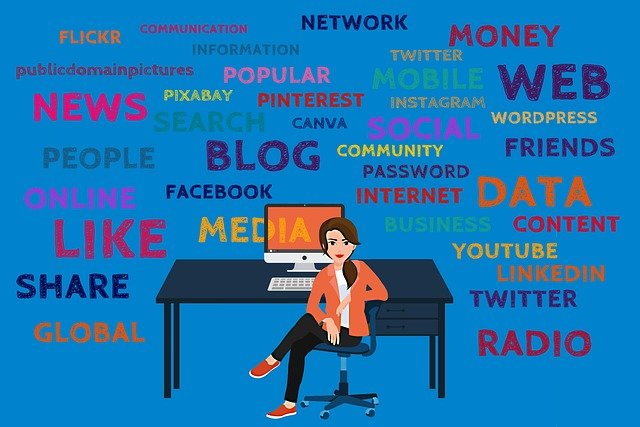
Before crafting any content, define your objectives using the SMART framework: Specific, Measurable, Achievable, Relevant, and Time-bound.
Illustrative Goals:
- Specific & Time-bound: Grow Instagram followers by 20% within a 3-month timeframe.
- Measurable & Time-bound: Drive 1,000 website clicks from Facebook within 30 days.
- Achievable & Relevant: Achieve a 5% engagement rate on LinkedIn posts during the second quarter.
These clearly defined goals will provide direction for your social media activities and enable effective progress tracking.
4.Know Your Audience: The Foundation of Effective Social Media.
Launching a social media marketing strategy without understanding your audience is akin to speaking without listening.
Key Audience Dimensions:
- Demographics: Identify your audience’s age, gender, location, and profession.
- Psychographics: Understand their interests, values, and lifestyle choices.
- Behaviors: Analyze their purchasing habits, device preferences, and content consumption patterns.
Leverage analytics tools such as Meta Insights and Google Analytics, along with surveys, to gather crucial audience data. A deep understanding of your ideal customer ensures your content resonates and drives engagement.
5.Target Audience: Speak Directly to Who Matters.

A social media marketing strategy is ineffective without a clear understanding of your audience.
Essential Audience Characteristics:
- Demographics: Understand the ‘who’ – age, gender, location, job.
- Psychographics: Understand the ‘why’ – interests, values, lifestyle.
- Behaviors: Understand the ‘how’ – buying habits, device use, content preferences.
Employ tools like Meta Insights, Google Analytics, and surveys to collect vital audience data. The better you know your audience, the more relevant and engaging your social media presence will be.
6.A well-defined content plan is central to impactful social media marketing.

It should prioritize delivering genuine value to your audience while directly supporting your brand objectives.
Essential Content Categories:
- Educational: Tutorials, practical advice
- Entertaining: Engaging memes, trending topics, narratives
- Promotional: Product announcements, special offers
- Behind-the-Scenes: Company culture, team insights
- User-Generated Content: Customer reviews, shared posts
Implement a content calendar to proactively schedule posts and ensure a consistent flow. Integrate key dates like national holidays, product launches, and relevant events for timely content.
Pro Tip: Adhere to the 80/20 rule: dedicate 80% of your content to providing value and 20% to promotional messaging.
7.Juggling multiple social media platforms demands significant time.
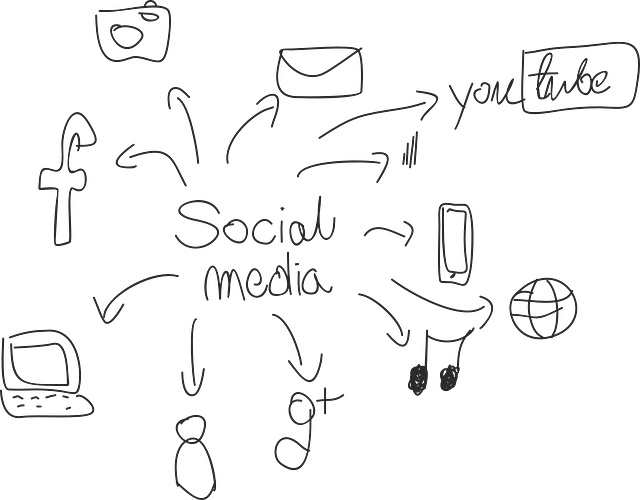
Luckily, a range of powerful tools can automate and simplify your social media marketing efforts.
Key Tools:
- Scheduling, Analytics, & Monitoring: Buffer, Hootsuite, Sprout Social
- Effortless Content Design: Canva, Adobe Express
- Instagram Planning: Later, Planoly
- AI Content Generation: ChatGPT, Jasper AI
- Facebook & Instagram Management: Meta Business Suite
While automation boosts efficiency and maintains consistency, remember that genuine, real-time engagement remains crucial.
8.Managing Your Budget for Paid Social Campaigns
As organic reach continues to decrease on various platforms, paid advertisements become essential. An effective social media marketing approach combines both organic and paid strategies.
Common Types of Ads:
- Boosted posts
- Carousel ads
- Lead generation forms
- Video ads
- Retargeting ads
Advice for Running Paid Campaigns:
- Begin with a modest budget and experiment with different creatives.
- Implement A/B testing to determine the most effective options.
- Monitor your return on investment (ROI) and make adjustments based on results.
- Allocate a monthly or quarterly budget aligned with your objectives, whether that’s enhancing brand awareness, driving traffic, or increasing conversions.
9.Social media is a dialogue, not a monologue.
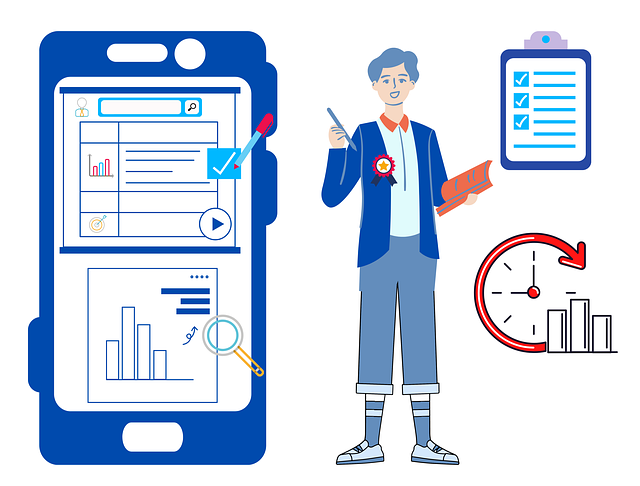
Meaningful engagement and active listening are fundamental to a successful social media marketing strategy.
Engagement Best Practices:
- Provide timely responses to comments and direct messages.
- Pose questions in your captions to stimulate interaction.
- Utilize polls and interactive stickers to encourage participation.
Essential Social Listening Tools:
- Brandwatch
- Mention
- Sprout Social
- Talkwalker
Monitor brand mentions, feedback, and overall sentiment. This valuable insight informs product development and strengthens reputation management.
10.Data is essential for progress.

Consistently track your social media performance to identify successes and areas needing improvement.
Key Performance Indicators (KPIs):
- Reach and Impressions
- Engagement Rate (likes, shares, comments)
- Click-Through Rate (CTR)
- Follower Growth
- Conversion Rate
- Return on Ad Spend (ROAS)
Utilize platform-specific analytics (e.g., Facebook Insights, Twitter Analytics) alongside third-party tools like Google Analytics for a comprehensive understanding.
Establish monthly reporting to analyze insights and strategically refine your social media marketing approach.