
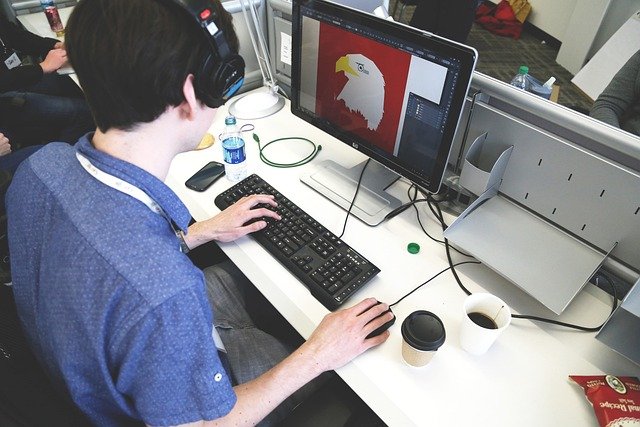
Graphic Design for Beginners. In a world controlled by visual content, graphic design stands as one of the most influential tools in communication. Whether it’s the branding of a company, the layout of a website, or a social media post, graphic design shapes the way we perceive and interact with information. But what exactly is graphic design? And how can a beginner get started in this dynamic field?
graphic design for beginners: What Is Graphic Design?

At its core, graphic design is about strategically planning and projecting ideas and experiences through visual and textual content. It’s a practice focused on communicating messages visually, whether through a simple business logo or a detailed website page. By skillfully combining typography, imagery, color, and layout, graphic designers aim to optimize user experience and clearly convey specific messages or ideas (graphic design for beginners).
graphic design for beginners: A Brief History of Graphic Design

Graphic design has existed in some form since ancient times. Early examples include cave paintings, hieroglyphics, and illuminated manuscripts. However, modern graphic design began with the invention of the printing press in the 15th century, which allowed for mass communication through printed materials.
In the 20th century, movements like Bauhaus and Swiss Design emphasized simplicity, function, and grid-based layouts—principles still foundational in design today. The digital revolution brought new tools and opportunities, transforming graphic design into an essential component of digital marketing, branding, and online presence (graphic design for beginners).
graphic design for beginners: Essential Concepts in Graphic Design
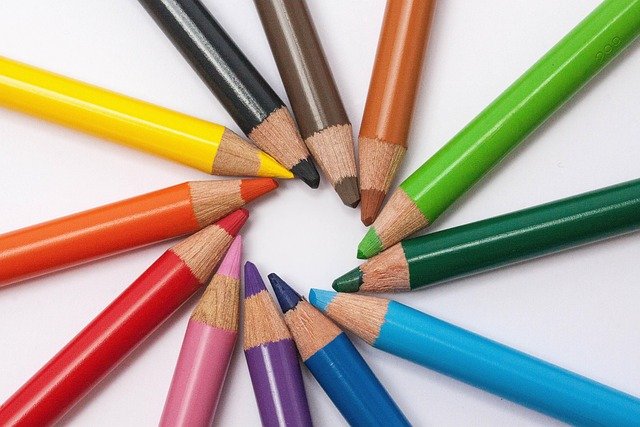
Graphic designers create impactful and visually appealing designs by applying these fundamental principles:
- Balance: Evenly distributing visual elements for equilibrium.
- Contrast: Emphasizing key elements through opposing visual attributes.
- Alignment: Structuring elements for clarity and order.
- Repetition: Building unity and consistency by repeating visual elements.
- Proximity: Establishing relationships by grouping related items.
- White Space: Enhancing focus and readability by incorporating negative space.
Grasping these principles empowers beginners to craft designs that are both beautiful and effective.
graphic design for beginners: Types of Graphic Design
Graphic design encompasses a wide range of specializations. Some common types include:
- Branding and Identity Design: Involves creating logos, color schemes, and brand guidelines.
- Marketing and Advertising Design: Focuses on designing brochures, posters, social media graphics, and ads.
- Web and UI/UX Design: Centers around designing website layouts, user interfaces, and interactive experiences.
- Packaging Design: Involves shaping the aesthetics of product packaging.
- Motion Graphics Design: Involves animating text and images for video content.
- Publication Design: Focuses on designing layouts for books, magazines, and reports.
Each type of graphic design requires different tools and techniques, but they all stem from the same foundational principles (graphic design for beginners).
Ready to start graphic design? Here’s a roadmap to get you started:

- Master the Fundamentals: Begin by learning core principles, elements, and essential terminology.
- Analyze Inspiring Work: Study designs from experienced professionals to understand effective techniques.
- Enroll in Online Courses: Explore platforms like Coursera, Skillshare, and Udemy for structured learning.
- Practice Consistently: Dedicate time daily to design projects, from logos to social media graphics.
- Utilize Free Resources: Start with accessible tools such as Canva or Gravit Designer.
- Develop Your Portfolio: Curate and present your best design work online.
- Engage for Feedback: Participate in design communities to receive critiques and support.
- Keep Learning: Stay informed about design blogs, emerging trends, and industry news.
graphic design for beginners: Career Opportunities in Graphic Design

Graphic design offers various career paths, including:
- Freelance Designer: Flexible, project-based work for various clients.
- In-House Designer: Working full-time within a company.
- Agency Designer: Working for design or advertising agencies.
- Specialist Roles: UI designer, motion designer, brand strategist, etc.
With the rise of digital platforms, demand for skilled graphic designers continues to grow.
Your Design Journey Begins Here
Graphic design is a potent form of communication, transcending simple visual appeal. The initial steps might feel overwhelming for beginners, but with dedication, consistent practice, and a persistent spirit, anyone can master the art of creating compelling visuals. In our increasingly digital world, the demand for imaginative and strategic design is constantly escalating. Whether you’re envisioning a new career, strengthening your brand’s presence, or simply seeking a fulfilling creative outlet, the world of graphic design offers endless avenues to express yourself visually and make a lasting impact.
I expect you can help me with this.